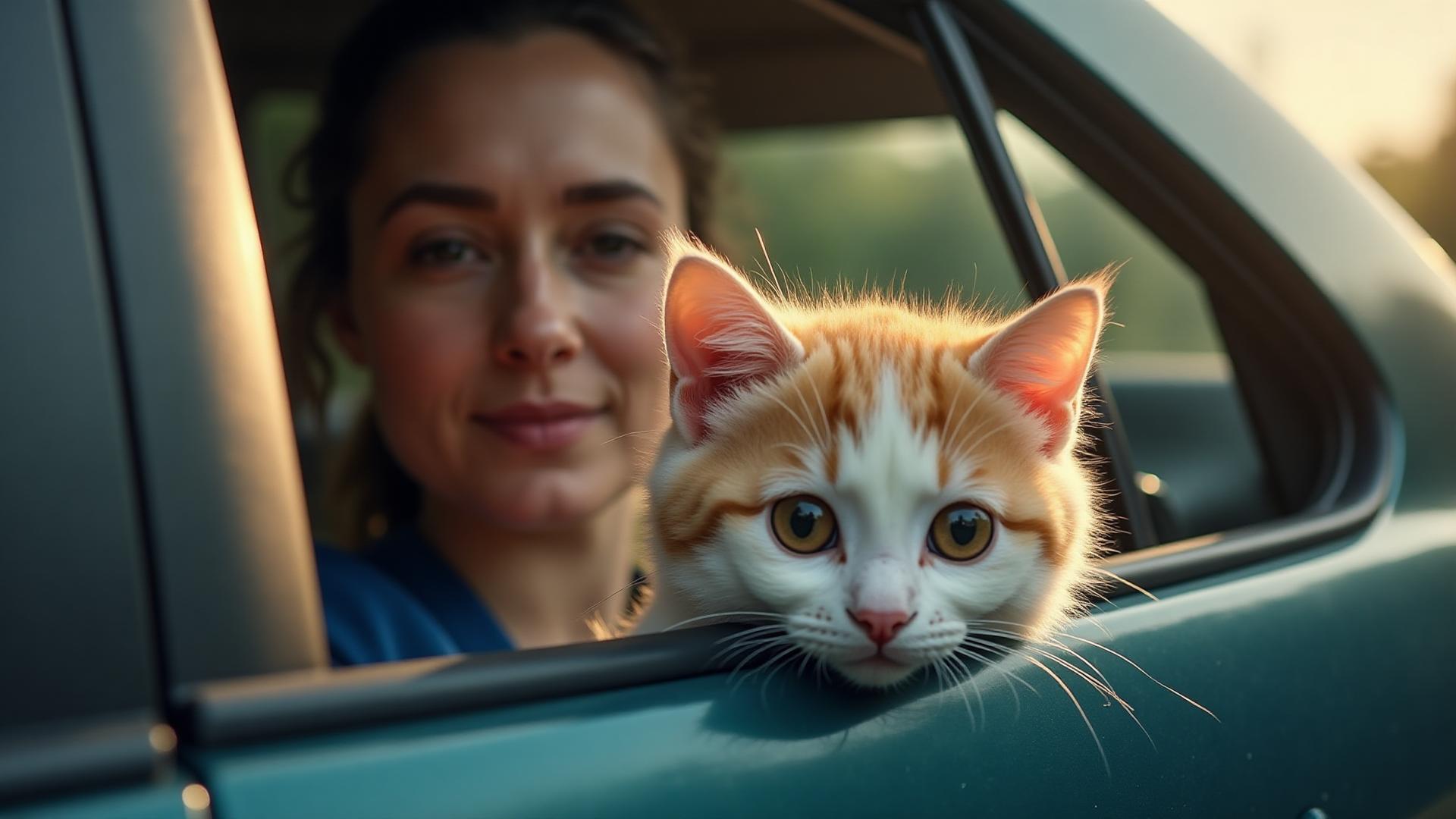
Making the vet visit less awful
Carrier training, short car rides, treats, and what to skip the morning of.
Most of the fear starts at home: the carrier that only appears on vet day, the car that only goes one place. A week of boring practice is worth more than a pep talk in the lobby.
Before the Visit: Home Preparation
For Cat Owners: Carrier Training
The carrier shouldn't only appear right before scary car rides. Start days (or weeks) ahead:
- •Leave the carrier out in a common area with the door open
- •Put a soft blanket or favorite toy inside
- •Feed treats or meals near (then inside) the carrier
- •Spray Feliway (calming pheromone) inside 30 minutes before leaving
Goal: The carrier becomes a safe, boring part of home.
For Dog Owners: Practice Rides
If your dog only rides in the car to go to the vet, they'll associate car = scary place:
- •Take short, fun car trips (to a park, for a walk around the block)
- •Bring high-value treats for after the ride
- •Keep early rides short—5-10 minutes
- •Consider a calming supplement (ask your vet first)
Feeding & Bathroom
- •Feed lightly the morning of the visit (or skip breakfast if arriving early)
- •Heavy meals can lead to car sickness or accidents
- •Bathroom break right before leaving
Pack Smart
Bring along:
- ✓High-value treats (cheese, deli meat, squeeze treats)
- ✓Favorite toy or blanket
- ✓Leash or carrier securely fastened
- ✓Poop bags (just in case)
During the Visit: In the Clinic
In the Waiting Room
- •
Choose distance over socializing
If your pet is nervous, find a quiet corner away from other animals
- •
Keep cats in carriers
Cover with a towel or blanket for a den-like feel
- •
Dogs on short leashes
Close to you, not greeting other dogs (this isn't a dog park)
- •
Offer treats
Create positive associations with the space
- •
Ask for a quiet room if needed
Many clinics have exam rooms where anxious pets can wait
During the Exam
- •
Stay calm yourself
Pets read your energy. Breathe slowly, speak softly
- •
Use treats liberally
Before, during, and after any uncomfortable procedure
- •
Ask questions
Understanding what's happening reduces your anxiety (which helps your pet)
- •
Request breaks if needed
If your pet is overwhelmed, it's okay to pause
After the Visit: Recovery
Immediate Post-Visit
- •Give a favorite treat or small meal when you get home
- •Offer water (some pets get thirsty after stress)
- •Let them rest in a quiet, familiar spot
- •Don't force interaction—let them decompress
Monitoring After Sedation or Procedures
- •Follow discharge instructions carefully
- •Watch for wobbly walking or disorientation (normal for a few hours)
- •Keep them confined to prevent falls or injuries
- •Call if you're worried—there are no silly questions
Building Positive Associations
Over time, you can help your pet see the vet as less scary:
Happy Visits
Call your vet and ask if you can stop by for a "happy visit":
- •Walk in, get treats from the staff, walk out
- •No exam, no shots—just positive reinforcement
- •Do this 2-3 times between regular appointments
Practice Handling at Home
Get your pet used to being touched like the vet does:
- •Gently touch ears, paws, mouth, tail
- •Give treats during and after
- •Keep sessions short (2-3 minutes) and positive
When to Consider Medication
For pets with severe anxiety, medication can help. Talk to your vet about:
Short-term anti-anxiety meds
Given 1-2 hours before the visit. Takes the edge off without heavy sedation.
Gabapentin
Common choice for anxious cats and dogs. Very safe, mild calming effect.
Trazodone
Another option for dogs. Helps with situational anxiety.
Note: These require a prescription and should be discussed with your vet ahead of time—not the day of the appointment.
Quick Recap
- →Carrier and car training start days (or weeks) before
- →High-value treats are your secret weapon
- →Keep feeding light before the visit
- →In the waiting room: distance over socializing
- →Your calm energy helps your pet stay calm
- →Happy visits build positive associations
- →Ask about anti-anxiety meds for severe cases