Holding your own keys
Hot wallet vs cold wallet, the 12 or 24 words, and the mistakes that actually lose coins.
If someone has your seed phrase, they have the bitcoin. Not “support.” Not a text from a friend. Not an email that looks like your exchange. Nobody legitimate will ask.
Hot
Phone / laptop
Talks to the internet. Fine for coffee money. A bad app or a stolen phone can empty it.
Cold
Hardware, mostly offline
Signs, then goes dark. This is where savings belong once the amount would hurt to lose. The 12 or 24 words are the actual wallet.
Hot and cold
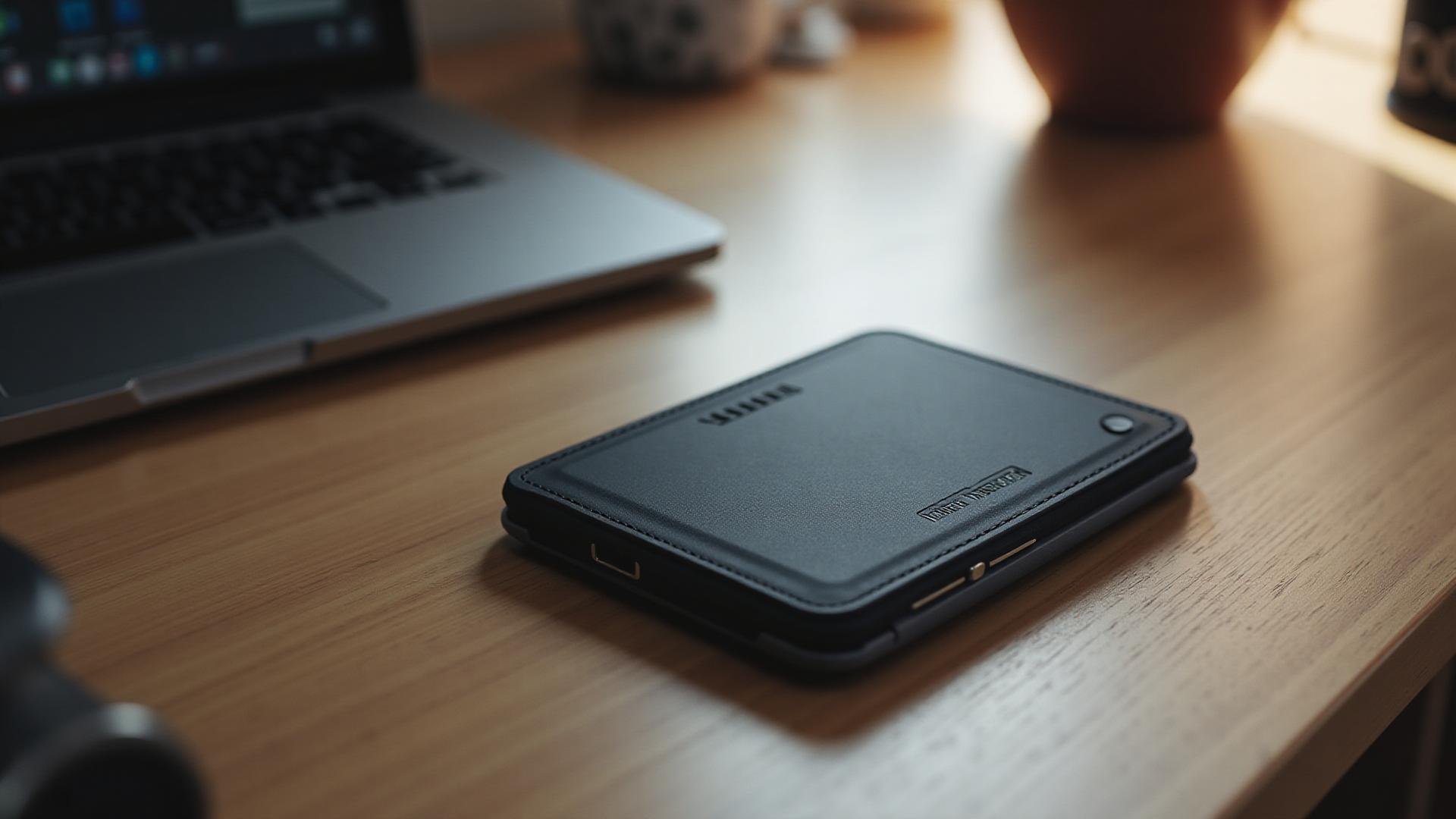
A hot wallet lives on a phone or computer that talks to the internet. Fine for a small spending pile. A cold wallet (usually a hardware device) stays offline except when you sign. That is where savings belong once the amount would hurt to lose.
The words
Twelve or twenty-four words, in order, written when you create the wallet. They restore the wallet on another device. Write them on paper or stamp them in metal. Do not photograph them, do not put them in Google Drive, do not email them to yourself, do not drop them in a password manager.
Practice: send a tiny amount, wipe the wallet, restore from the words, confirm the coins come back. Then put real money on it. Two copies of the backup in places that will not burn down together.
Usual failures
- Leaving coins on an exchange for years. Exchanges fail. “Not your keys” is rude and accurate.
- A recovery scheme so clever you cannot do it under stress.
- No note for the family if you die. Bitcoin does not call the executor.
Read the scam list before you click anything. Educational only.